

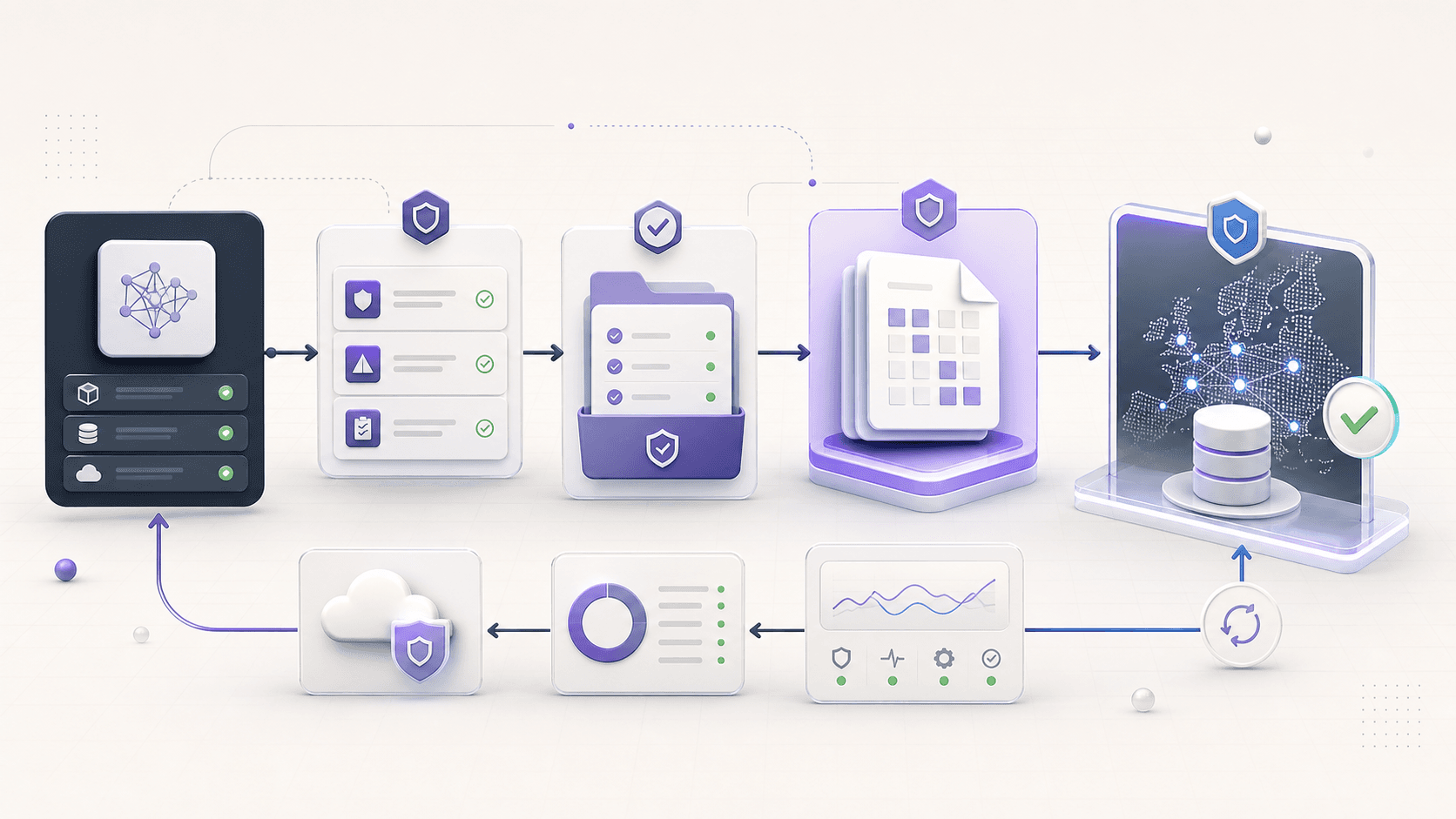
L’EU AI Act non richiede solo documentazione interna per i sistemi di IA ad alto rischio. In molti casi è necessaria anche la registrazione. Tale obbligo si applica principalmente all’articolo 49, all’articolo 71 e all’allegato VIII. Per le imprese regolamentate, la registrazione non è un modulo da compilare alla fine. Dipende dall'inventario del sistema, dalla classificazione ad alto rischio, dall'analisi del ruolo del fornitore/distributore, dalle prove di conformità, dallo scopo previsto, dalle istruzioni per l'uso, dalle valutazioni d'impatto e dal processo di gestione del cambiamento. Solo orientamento; non consulenza legale.
Tempistica: la registrazione è valida da dicembre 2, 2027
Viene adottato il Digital Omnibus sull'intelligenza artificiale. Il Parlamento europeo ha approvato il testo concordato il giugno 16, 2026 e il Consiglio lo ha adottato il giugno 29, 2026; il regolamento di modifica, il regolamento (UE) 2026/1744,, è stato pubblicato nella Gazzetta ufficiale il 24 luglio 2026 ed entra in vigore il 27 luglio 2026.. Sposta le regole autonome dell'allegato III sui sistemi di IA ad alto rischio a dicembre 2, 2027 e l'IA ad alto rischio incorporata nei prodotti ad agosto 2, 2028. La registrazione dell'articolo 49 e la banca dati dell'articolo 71 seguono la data dell'allegato III.
La Commissione aveva proposto di eliminare l'obbligo previsto dall'articolo 49(2) di registrare i sistemi dell'allegato III che un fornitore autovaluta come non ad alto rischio ai sensi dell'articolo 6(3).. Il Parlamento e il Consiglio hanno respinto tale soppressione e mantenuto l'obbligo, con un carico utile minore: I punti 7 e 9 dell'allegato VIII sono soppressi, eliminando la breve sintesi dei motivi della determinazione dell'articolo 6(3) e l'elenco degli Stati membri in cui il sistema è stato reso disponibile. Il punto 6 rimane, quindi il fornitore nomina ancora la condizione dell'articolo 6(3) su cui fa affidamento. I gruppi addetti alla conformità dovrebbero controllare il testo della Gazzetta ufficiale prima di fare affidamento su qualsiasi data.
La conclusione pratica è semplice: non aspettare il portale o la scadenza finale. I dati richiesti dall’allegato VIII dipendono dal lavoro di governance a monte che richiede mesi per essere assemblato.
A cosa serve la registrazione dell'articolo 49
L'articolo 49 riguarda la registrazione di determinati sistemi di intelligenza artificiale prima che vengano immessi sul mercato, messi in servizio o utilizzati. Si applica principalmente ai sistemi di intelligenza artificiale elencati nell'allegato III, i casi d'uso autonomi ad alto rischio: biometria, infrastrutture critiche, istruzione, occupazione, servizi essenziali, applicazione della legge, migrazione e controllo delle frontiere, amministrazione della giustizia e processi democratici.
Il regime di registrazione è legato alla classificazione ad alto rischio ai sensi dell'articolo 6. Un sistema può essere ad alto rischio perché è un prodotto o un componente di sicurezza coperto dalla legislazione dell'Allegato I e richiede una valutazione della conformità da parte di terzi, o perché rientra in un caso d'uso dell'Allegato III. L’articolo 6(3) crea inoltre un percorso ristretto affinché alcuni sistemi dell’allegato III siano trattati come non ad alto rischio, ma la profilazione delle persone fisiche rimane ad alto rischio.
Ciò significa che la registrazione non è solo un esercizio di divulgazione. È l'endpoint pubblico o normativo di una decisione di classificazione.
| Regola | Cosa significa operativamente |
|---|---|
| Registrazione del fornitore | Prima di immettere sul mercato o mettere in servizio un sistema di IA ad alto rischio di cui all'allegato III, il fornitore o il mandatario registra il fornitore e il sistema nella banca dati dell'UE, ad eccezione dei sistemi 2 dell'allegato III. |
| Articolo 6(3) registrazione | Se un fornitore afferma che un sistema dell’allegato III non è ad alto rischio ai sensi dell’articolo 6(3),, registra comunque se stesso e il sistema nella banca dati dell’UE. |
| Registrazione del distributore dell'autorità pubblica | Le autorità pubbliche, le istituzioni e gli organi dell'UE e le persone che agiscono per loro conto si registrano, selezionano il sistema e ne registrano l'utilizzo prima di mettere in servizio il sistema. |
| Registrazione limitata | Alcuni sistemi di applicazione della legge, migrazione, asilo e controllo delle frontiere rientrano in una sezione sicura e non pubblica. |
| Strada nazionale | I sistemi di infrastrutture critiche dell'Allegato III punto 2 sono registrati a livello nazionale. |
Cosa fa l'articolo 71
L'articolo 71 istituisce la banca dati dell'UE per i sistemi di IA ad alto rischio elencati nell'allegato III. La Commissione, in collaborazione con gli Stati membri, deve istituirlo e mantenerlo. Il database contiene sistemi ad alto rischio registrati ai sensi degli articoli 49 e 60, oltre a sistemi che i fornitori ritengono non siano ad alto rischio ai sensi dell'articolo 6(3) ma devono comunque essere registrati ai sensi dell'articolo 49.
L'articolo 71 suddivide la responsabilità della presentazione tra fornitori e determinati distributori. I fornitori o i rappresentanti autorizzati entrano nelle sezioni A e B dell'allegato VIII. Gli operatori che sono autorità pubbliche, organismi, agenzie dell'UE o persone che agiscono per loro conto entrano nella sezione C.
Per impostazione predefinita, l'articolo 71 afferma che le informazioni del database dell'articolo 49 dovrebbero essere accessibili al pubblico, facili da usare, facilmente navigabili e leggibili dalla macchina, ad eccezione delle sezioni riservate come le forze dell'ordine sensibili e i casi d'uso legati alla migrazione.
La registrazione non è la stessa cosa della documentazione tecnica
Non confondere i dati di registrazione di cui all'allegato VIII con la documentazione tecnica di cui all'allegato IV. L'allegato VIII è la voce della banca dati pubblica o regolamentare. Contiene informazioni concise sull'identificazione, sullo stato, sullo scopo, sulla conformità e sull'utilizzo da parte dell'utente. L'allegato IV è il pacchetto di documentazione tecnica più approfondito: descrizione del sistema, processo di sviluppo, architettura, requisiti dei dati, supervisione umana, convalida e test, sicurezza informatica, gestione del rischio, modifiche del ciclo di vita, standard, dichiarazione di conformità e piano di monitoraggio post-commercializzazione.
I due dovrebbero essere collegati, ma non sono lo stesso artefatto. L'allegato IV è il fascicolo di conformità dettagliato. L'allegato VIII è il carico utile della registrazione. L'articolo 49 è il trigger giuridico. L'articolo 71 è il meccanismo del database. Il tuo registro AI interno è il sistema di registrazione che dovrebbe generare e supportare tutto quanto sopra.

L’Allegato IV e l’Allegato VIII dovrebbero condividere lo stesso registro del sistema regolamentato, ma rispondono a domande diverse: uno è il dossier di conformità dettagliato, l’altro è il carico utile della registrazione.
Apri il grafico a grandezza naturale| Artefatto | Ruolo |
|---|---|
| Allegato IV | Documentazione tecnica dettagliata e prove di conformità. |
| Allegato VIII Sezione A | Dati di registrazione del fornitore per i sistemi ad alto rischio di cui all'allegato III. |
| Allegato VIII Sezione B | Dati di registrazione del fornitore per l'articolo 6(3) conclusioni a rischio non elevato, con i punti 7 e 9 cancellati dal Digital Omnibus. |
| Allegato VIII Sezione C | Dati di registrazione dell'utilizzo del distributore da parte dell'autorità pubblica. |
| Registro interno dell'IA | Fonte canonica di verità che mantiene coerente tutto quanto sopra. |
Chi deve registrarsi?
La risposta dipende dal ruolo, dalla classificazione, dal punto dell'allegato III e dal contesto di implementazione. La sola registrazione del fornitore potrebbe non essere sufficiente se un’organizzazione del settore pubblico implementa il sistema. Una conclusione dell'articolo 6(3) non ad alto rischio può anche creare una propria traccia di registrazione.
| Attore o percorso | Implicazione della registrazione |
|---|---|
| Fornitore del sistema di IA ad alto rischio di cui all'allegato III | Registra prima dell'immissione sul mercato o della messa in servizio dell'impianto, ad eccezione degli impianti punto 2 trattati a livello nazionale. |
| Fornitore che fa affidamento sull'articolo 6(3) | Documenta la valutazione del rischio non elevato prima del lancio e registra ai sensi dell'articolo 49(2). |
| Operatore dell'autorità pubblica o persona che agisce per suo conto | Si registra, seleziona il sistema e ne registra l'utilizzo prima di mettere in servizio il sistema. |
| Distributore privato | L'articolo 49(3) si concentra sugli operatori delle autorità pubbliche, ma gli operatori privati necessitano ancora di record IA interni per richieste di garanzia, approvvigionamento, monitoraggio e regolamentazione. |
Cosa richiede l'allegato VIII ai fornitori e agli operatori
L'allegato VIII non è un elenco enorme, ma i campi sono numerosi. Lo scopo previsto, la logica operativa, lo stato, il certificato, la dichiarazione di conformità UE, le istruzioni per l'uso e la disponibilità da parte degli Stati membri dipendono tutti dal lavoro di governance a monte.
Se lo scopo previsto è vago, la tua registrazione sarà vaga. Se il controllo delle versioni del prodotto è debole, anche la tracciabilità sarà debole. Se la documentazione di conformità non è vincolata al rilascio, il team potrebbe non sapere quale dichiarazione appartiene a quale versione del sistema.
| Sezione | Chi sottomette | Informazioni fondamentali per prepararsi |
|---|---|---|
| Sezione A | Fornitori di sistemi ad alto rischio registrati ai sensi dell'articolo 49(1). | Identità del fornitore, identità del sistema, scopo previsto, componenti e funzioni supportati, riepilogo dati/input/logica operativa, stato, certificati, Stati membri, dichiarazione di conformità UE, istruzioni per l'uso e URL pubblico facoltativo. |
| Sezione B | I fornitori che registrano un sistema dell'allegato III sono considerati non ad alto rischio ai sensi dell'articolo 6(3). | Identità del fornitore, identità del sistema, scopo previsto, condizione dell'articolo 6(3) su cui si fa affidamento e stato. Il Digital Omnibus ha eliminato i punti 7 e 9,, pertanto la breve motivazione e l'elenco degli Stati membri non vengono più presentati. |
| Sezione C | Operatori di autorità pubbliche, organismi, agenzie dell'UE o persone che agiscono per loro conto. | Identità del distributore, URL della voce del database del fornitore, riepilogo FRIA e riepilogo DPIA, ove applicabile. |
Il pratico albero decisionale dell'articolo 49
Inizia con il sistema, non con il venditore. La registrazione dipende dalla classificazione e dall'utilizzo, non dal fatto che il prodotto sia commercializzato come piattaforma, assistente, wrapper di modelli, copilota o agente.
Una revisione pratica dell'instradamento dovrebbe rispondere a otto domande: se il sistema rientra nell'ambito di applicazione, se si applica l'articolo 6(1), se si applica l'allegato III, se viene utilizzato l'articolo 6(3), se l'allegato III, punto 2, lo sposta nella registrazione nazionale, se si applicano sezioni riservate, se l'operatore è un'autorità pubblica o agisce per conto di essa e se la squadra può mantenere aggiornata la registrazione.
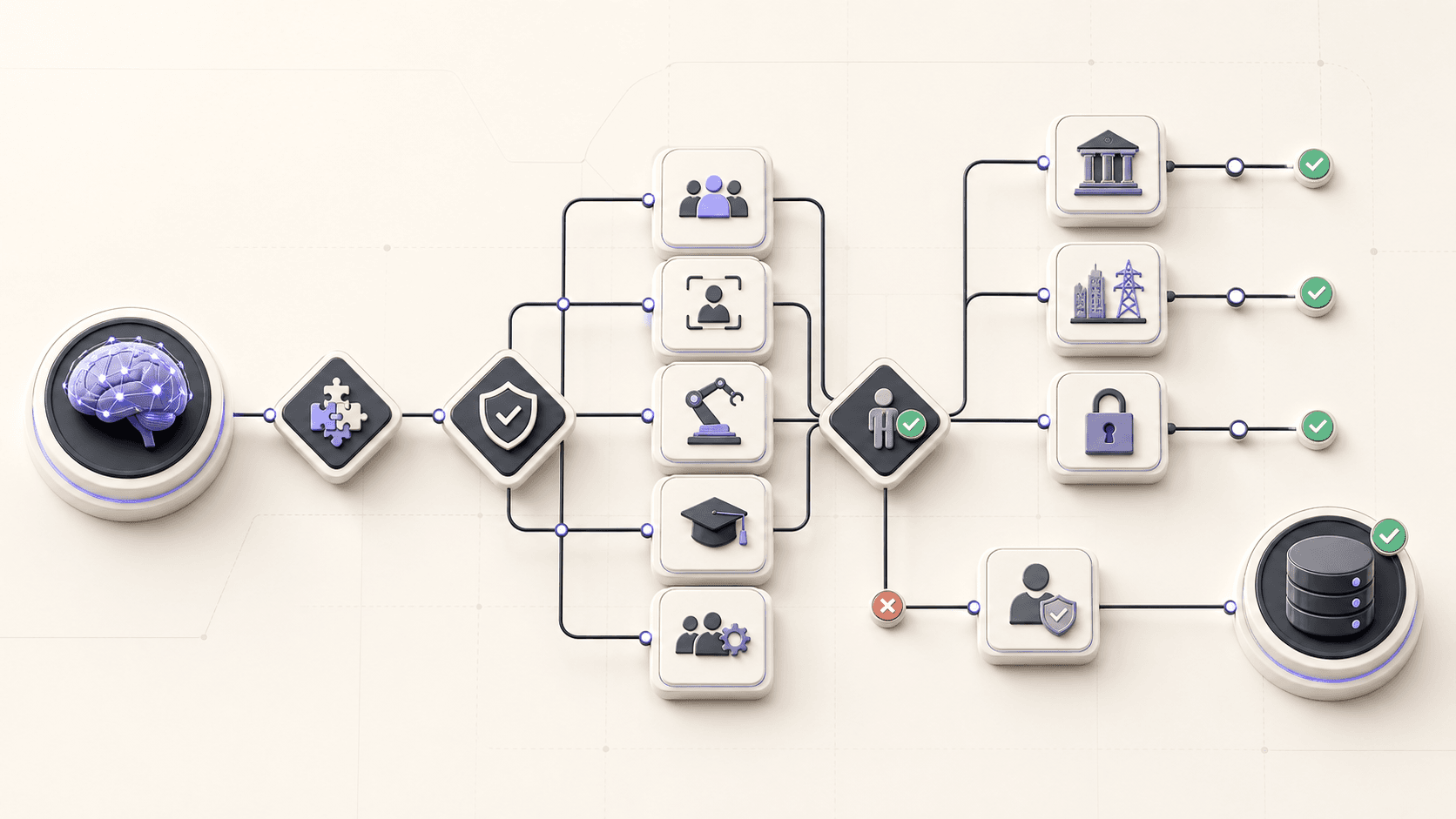
Il routing dell'articolo 49 inizia con il sistema e il caso d'uso: la classificazione dell'allegato III, l'infrastruttura critica dell'articolo 6(3),, le sezioni riservate e l'uso da parte dell'autorità pubblica modificano ciascuno il percorso di registrazione.
Apri il grafico a grandezza naturale- Se il sistema è al di fuori della legge, registrate la motivazione e fermatevi.
- Se si applica l'articolo 6(1), confermare le implicazioni relative al settore del prodotto e alla registrazione.
- Se non si applica l’allegato III, potrebbe non applicarsi l’articolo 49 registrazione nella banca dati UE; conservare il registro della classificazione.
- Se si applica l'allegato III e il sistema è ad alto rischio, preparare l'articolo 49(1) registrazione del fornitore.
- Se si applica l'allegato III e il fornitore fa affidamento sull'articolo 6(3),, prepara la registrazione dell'articolo 49(2) e conserva la motivazione documentata in archivio, anche se l'allegato VIII, sezione B, non ti chiede più di presentarla.
- Se si applica l'allegato III, punto 2, verificare il percorso di registrazione nazionale.
- Se i punti 1, 6, o 7 dell'allegato III si applicano a contesti sensibili di applicazione della legge o di frontiera, controllare la sezione riservata e protetta.
- Se l'operatore è un'autorità pubblica o agisce per conto di una autorità, preparare il record di utilizzo dell'operatore nella sezione C.
Cosa preparare prima della registrazione
Un processo di registrazione efficace inizia molto prima dell'invio del database. Crea prima il pacchetto interno, quindi genera il payload di registrazione dal record governato.
| Zona pacchetto | Cosa dovrebbe contenere |
|---|---|
| Registro dell'identità del sistema | Nome del sistema, nome del prodotto, identificatore interno, nome commerciale, versione, data di rilascio, proprietario, fornitore, rappresentante autorizzato, entità di distribuzione, utenti previsti, persone interessate, Stati membri e stato. |
| Dichiarazione dello scopo previsto | Descrizione specifica dello scopo per cui viene utilizzato il sistema, chi lo utilizza, su quali input si basa e cosa non è destinato a fare. |
| Registro della classificazione | Articolo 6(1), Allegato III punto, Articolo 6(3) percorso se utilizzato, stato della profilazione, titolare dell'approvazione, versione coperta e ipotesi che invaliderebbero la valutazione. |
| Prova di conformità | Dichiarazione di conformità UE, dettagli del certificato, copia del certificato ove applicabile, istruzioni per l'uso, elenco di disponibilità degli Stati membri, record dello stato e URL pubblico se utilizzato. |
| Prove di distribuzione da parte dell'autorità pubblica | URL della voce del database del fornitore, riepilogo FRIA, riepilogo DPIA ove applicabile, dettagli del distributore, proprietario dell'invio, descrizione del caso d'uso, luogo di distribuzione, data del primo utilizzo e record di approvazione. |
Utilizzare un modello di dati interno con versione
Un record di sistema AI pronto per la registrazione dovrebbe essere dotato di versione, posseduto, rivisto e legato all'utilizzo in fase di esecuzione. Lo schema esatto può variare, ma dovrebbe collegare identità, classificazione, scopo previsto, funzioni supportate, input, logica operativa, stato del mercato, prove di conformità e percorso di registrazione.
Per i distributori di autorità pubbliche, aggiungere un record di utilizzo del distributore con l'URL della voce del database del provider, il contesto di utilizzo, il riepilogo FRIA, il riepilogo DPIA ove applicabile e lo stato di invio. Il fornitore può possedere la voce di sistema, ma il distributore possiede il contesto d'uso.
| Documentazione | Campi di esempio |
|---|---|
| Identità del sistema | ID_sistema, nome_commerciale, versione, fornitore, rappresentante_autorizzato, proprietario, Stati membri, stato_mercato. |
| Classificazione | articolo_6_1, allegato_iii, allegato_iii_punto, alto_rischio, articolo_6_3_exception_claimed, profilazione_persone_naturali, approvato_da, approvato_at. |
| Scopo e funzioni | scopo_previsto, funzioni_supportate, input, riepilogo_logica_operativa, limite di revisione umana. |
| Conformità | ID dichiarazione UE, certificato dell'organismo notificato, istruzioni per l'uso, stato del certificato, record di rilascio. |
| Registrazione | article_49_route, attach_viii_section, submission_status, last_reviewed_at, proprietario dell'aggiornamento. |
Registrazione e gestione del cambiamento
L'allegato VIII richiede che le informazioni presentate siano aggiornate. Ciò crea una domanda operativa: quali modifiche richiedono revisione o aggiornamento? Il team di conformità non dovrebbe scoprire una modifica rilevante per la registrazione dopo la distribuzione in produzione.
Integra la revisione della registrazione nella gestione dei rilasci, nelle modifiche dei modelli, nel lancio di nuovi paesi, nella ridenominazione dei prodotti, negli aggiornamenti dei certificati, nelle modifiche alle istruzioni per l'uso e nelle espansioni dei processi.
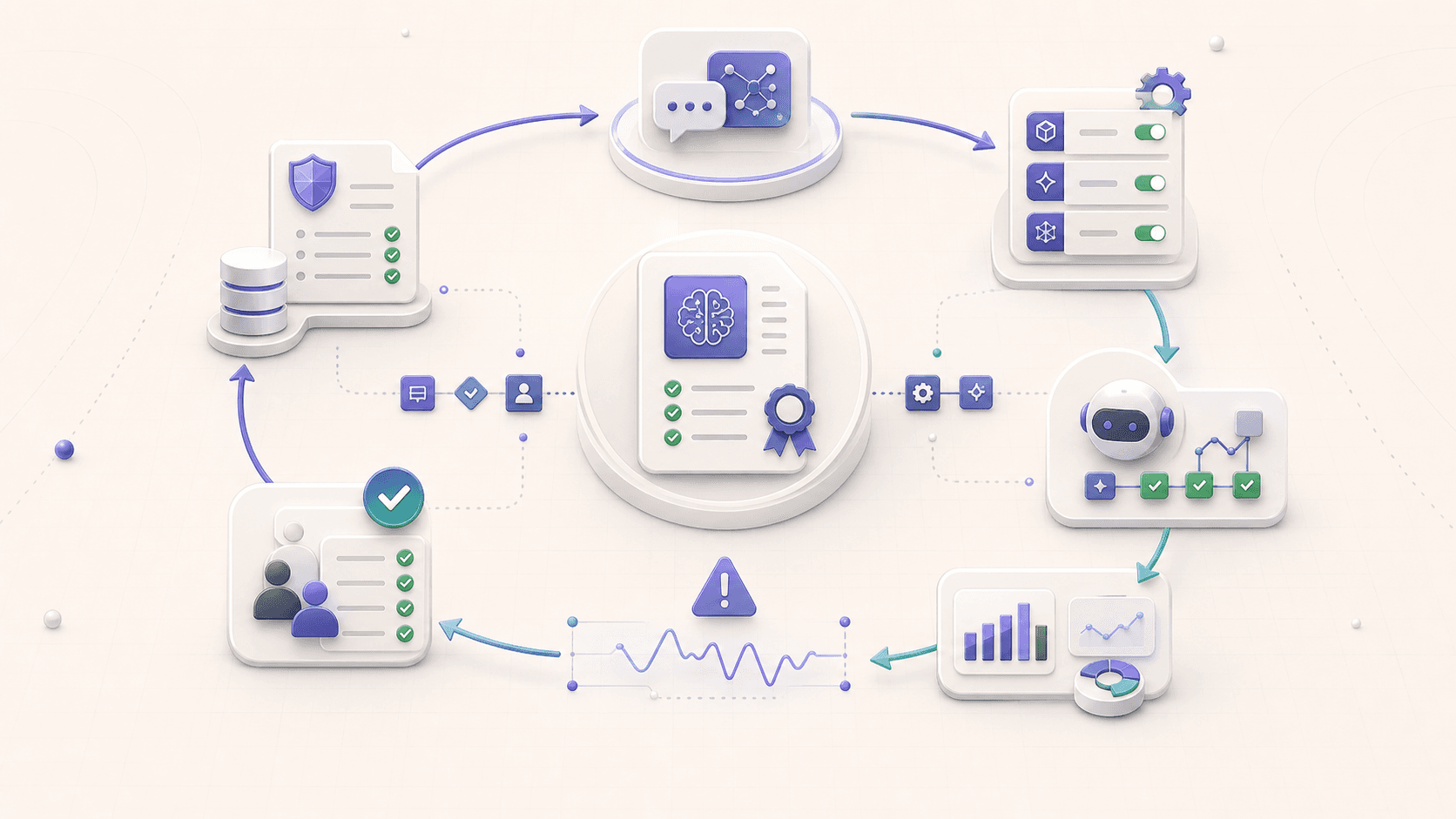
La registrazione è un obbligo del ciclo di vita: modifiche alla produzione, segnali di runtime, utilizzo degli strumenti, approvazioni, aggiornamenti FRIA/DPIA e modifiche di stato dovrebbero rientrare nel record del sistema registrato.
Apri il grafico a grandezza naturale- Lo scopo previsto cambia o il sistema inizia a elaborare nuove categorie di input.
- Il sistema entra in un nuovo Stato membro o passa dalla fase di prova alla messa in servizio.
- Il sistema viene ritirato, richiamato o non più offerto.
- Cambia il nome commerciale, il fornitore o il rappresentante autorizzato.
- La logica operativa cambia materialmente o il sistema diventa un processo agente.
- Il sistema inizia la profilazione delle persone fisiche oppure cambia la logica dell'articolo 6(3).
- Un certificato viene emesso, aggiornato, sospeso o scade.
- Una distribuzione dell'autorità pubblica avvia, arresta o modifica il contesto.
- Viene aggiornato un documento FRIA, DPIA o istruzioni per l'uso.
Registrazione per agenti e copiloti AI
L'articolo 49 non è stato scritto solo per i prodotti statici di machine learning. Si applica in base alla classificazione legale, allo scopo previsto e al contesto di utilizzo. Un copilota di produttività interna potrebbe non essere ad alto rischio, ma la stessa architettura utilizzata per selezionare i candidati, assegnare punteggi agli studenti, classificare le chiamate di emergenza, valutare l’ammissibilità dei benefici o supportare le forze dell’ordine può rientrare nell’allegato III.
Un agente aggiunge un altro livello. Può richiamare strumenti, recuperare dati, aggiornare record, indirizzare casi, consigliare azioni o avviare processi. Ciò può modificare lo scopo previsto e l’influenza materiale del sistema.
- Tieni un inventario degli strumenti e un inventario delle azioni.
- Registra i punti di approvazione umana e l'analisi dell'influenza delle decisioni.
- Mappare le persone interessate, la derivazione di input/output, i controlli delle policy di runtime e i percorsi di escalation.
- Versione istruzioni per l'uso e monitoraggio della deviazione dallo scopo previsto registrato.
- Evita un linguaggio generico come "assistente AI per la gestione dei casi" quando il sistema effettivamente valuta le richieste, redige conclusioni legali o indirizza casi ad alto rischio.
Cosa possono imparare le autorità di regolamentazione e il pubblico dal database
L'articolo 71 afferma che le informazioni del database dell'articolo 49 dovrebbero generalmente essere accessibili al pubblico, facili da usare, facilmente navigabili e leggibili dalla macchina, ad eccezione delle sezioni riservate. La registrazione diventa quindi parte della superficie di fiducia pubblica.
I fornitori possono esporre chi fornisce il sistema, come viene chiamato, lo scopo previsto, le funzioni supportate, i dati e gli input di alto livello, dove sono disponibili, se è sul mercato o richiamato, se esistono documenti di conformità e come gli operatori possono accedere alle istruzioni per l'uso. Gli operatori dell'autorità pubblica possono esporre quale autorità utilizza il sistema, quale sistema del fornitore viene utilizzato e i riepiloghi dei risultati della FRIA e della DPIA.
Le sintesi dell’allegato VIII dovrebbero essere accurate, chiare e difendibili. Non dovrebbero divulgare inutilmente segreti commerciali, ma non dovrebbero nemmeno essere così vaghi da minare la fiducia.
Errori comuni
Gli errori ricorrenti non sono causati dalla lunghezza eccessiva dell'allegato VIII. Si verificano quando i team trattano la registrazione come una formalità legale invece che come un output di prodotto, ingegneria, privacy, sicurezza, conformità, contesto di distribuzione e prove di runtime.
| Errore | Perché causa problemi |
|---|---|
| Trattare la registrazione come un modulo alla fine | I campi dipendono dalla classificazione, dallo scopo previsto, dalle prove di conformità, dalle istruzioni per l'uso e dalle valutazioni di impatto. |
| Dimenticare la registrazione dell'articolo 6(3) | Una conclusione non ad alto rischio per un sistema dell'allegato III può comunque richiedere la registrazione dell'articolo 49(2). |
| Dimenticare la registrazione del distributore dell'autorità pubblica | La voce del sistema del provider e la voce relativa all'uso del distributore da parte dell'autorità pubblica sono record diversi. |
| Utilizzo del testo di marketing come scopo previsto | La registrazione richiede precisione giuridica e tecnica, non un linguaggio di posizionamento. |
| Nessuna prova di registrazione delle versioni | Dopo le modifiche al sistema, i team devono sapere se la registrazione, le istruzioni, le prove di conformità e la valutazione dell'implementazione sono ancora accurate. |
| Separare la registrazione dai controlli di runtime | La voce del database dice cosa intende fare il sistema; i log dovrebbero dimostrare ciò che ha effettivamente fatto. |
Pacchetto minimo di prove per la registrazione dell'articolo 49
Prima di inviare o approvare la registrazione, assemblare un pacchetto di prove esportabili. La persona che effettua la presentazione alla banca dati dell'UE non dovrebbe aver bisogno di inseguire cinque squadre per rispondere a un campo dell'allegato VIII.
- Registrazione dell'inventario del sistema IA, analisi del ruolo del fornitore/distributore, valutazione della classificazione dell'articolo 6 e mappatura dell'allegato III.
- Articolo 6(3) valutazione di rischio non elevato, se applicabile.
- Dichiarazione dello scopo previsto, versione del sistema, record di rilascio, record di stato, elenco di disponibilità degli Stati membri, descrizione di dati/input di alto livello, riepilogo della logica operativa e funzioni supportate.
- Dichiarazione di conformità UE, dettagli del certificato dell'organismo notificato, ove applicabile, istruzioni elettroniche per l'uso e URL delle informazioni pubbliche, se utilizzato.
- Riepilogo della FRIA e riepilogo della DPIA laddove si applica la Sezione C del distributore.
- Record di approvazione, elenco di trigger di gestione delle modifiche e proprietario nominato per mantenere aggiornata la registrazione.
Come l'KLA lo renderebbe operativo
Il problema principale non è che l’allegato VIII contenga troppi settori. Non è così. Il problema è che ogni campo punta a un controllo che deve rimanere vero nel tempo.
L'KLA dovrebbe rendere la registrazione un output governato del piano di controllo dell'intelligenza artificiale: mantenere un inventario canonico, mappare ciascun sistema all'articolo 6, allegato III, articolo 49, e allegato VIII, archiviare lo scopo previsto e il contesto di implementazione, instradare le classificazioni ad alto rischio e le eccezioni dell'articolo 6(3) per l'approvazione, allegare documenti di conformità e valutazioni di impatto, rilevare derive di runtime, registrare azioni e approvazioni degli agenti ed esportare prove per audit, appalti, regolatori o invio di database.
Questa è la differenza tra "abbiamo compilato il database UE una volta" e "possiamo dimostrare che il sistema registrato è ancora quello in produzione".
Elenco di controllo per la preparazione alla registrazione
Prima del lancio di un sistema di intelligenza artificiale ad alto rischio, poni queste domande. Se qualche risposta non è chiara, il sistema non è pronto per la registrazione.
- Abbiamo identificato se si applica l'articolo 6(1),, l'articolo 6(2), o l'articolo 6(3)?
- Abbiamo mappato il sistema al punto corretto dell'allegato III e verificato se il punto 2 richiede la registrazione nazionale?
- Abbiamo verificato se il sistema appartiene a una sezione sicura e non pubblica?
- Abbiamo identificato se siamo fornitori, rappresentanti autorizzati, operatori o agiamo per conto di un'autorità pubblica?
- Abbiamo preparato l'allegato VIII, sezioni A, B o C, a seconda dei casi?
- Disponiamo di una destinazione d'uso stabile, di una sintesi della logica operativa, di una descrizione dei dati in ingresso, di istruzioni per l'uso, di prove di conformità e di un elenco degli Stati membri?
- Abbiamo un processo per mantenere aggiornata la registrazione e ricostruire le prove dietro ogni campo inviato?
- I registri di runtime possono dimostrare che il sistema funziona secondo lo scopo previsto registrato?
Sanzioni e rischi esecutivi
L'articolo 99 impone agli Stati membri di prevedere sanzioni effettive, proporzionate e dissuasive. Diverse violazioni degli obblighi dell'operatore possono comportare sanzioni amministrative fino a 15 milioni di euro o 3% del fatturato annuo mondiale totale, a seconda di quale valore sia superiore. Fornire informazioni errate, incomplete o fuorvianti agli organismi notificati o alle autorità nazionali competenti in risposta a una richiesta può comportare sanzioni fino a 7.5 milioni di EUR o 1% del fatturato annuo mondiale totale, a seconda di quale valore sia superiore.
La registrazione è anche un segnale di applicazione. L'articolo 80 afferma che le autorità di vigilanza del mercato possono eseguire controlli tenendo conto delle informazioni archiviate nel database dell'UE. Il rischio non è solo la mancata registrazione. Il rischio maggiore è l’incoerenza: la voce del database pubblico dice una cosa, la documentazione tecnica ne dice un’altra e il sistema di produzione fa qualcos’altro.
Domande frequenti
La registrazione all'articolo 49 è riservata solo ai fornitori?
No. I fornitori e i rappresentanti autorizzati possiedono la registrazione del sistema principale, ma le autorità pubbliche, gli organismi e le agenzie dell'UE e le persone che agiscono per loro conto possono avere obblighi di registrazione dell'uso del distributore ai sensi dell'articolo 49(3).
Una conclusione non ad alto rischio dell'articolo 6(3) evita la registrazione?
No. L'articolo 49(2) crea un percorso di registrazione per i fornitori che concludono che un sistema dell'allegato III non è ad alto rischio ai sensi dell'articolo 6(3).. La logica di classificazione deve essere documentata e mantenuta aggiornata.
L'allegato VIII è uguale alla documentazione tecnica dell'allegato IV?
No. L'allegato VIII è il carico utile di registrazione per il database dell'UE. L'allegato IV è il fascicolo di documentazione tecnica più approfondito. I due dovrebbero essere collegati allo stesso sistema di registrazione.
Perché la registrazione è importante per gli agenti AI?
Gli agenti possono modificare lo scopo previsto e l'influenza materiale di un sistema richiamando strumenti, indirizzando casi, aggiornando record e consigliando azioni. La preparazione della registrazione richiede un inventario di strumenti/azioni, punti di approvazione, registri di runtime e monitoraggio della deriva.
Punti chiave
La registrazione dell'articolo 49 è la punta visibile dell'iceberg di conformità alla legge sull'intelligenza artificiale dell'UE. L'articolo 49 indica quando è necessaria la registrazione. L'articolo 71 ti dice dove vanno le informazioni e come vi si accede. L'allegato VIII indica quali informazioni devono essere presentate e mantenute aggiornate.
Il vero lavoro avviene prima della registrazione: classificare il sistema, definire lo scopo previsto, stabilire i ruoli di fornitore e distributore, preparare prove di conformità, completare valutazioni di impatto e collegare il record di registrazione alla gestione delle modifiche alla produzione. Per i sistemi semplici, la registrazione può sembrare una voce di database. Per i copiloti aziendali e gli agenti di intelligenza artificiale, si tratta di un controllo di governance. Il modello vincente è rendere la prova di registrazione un sottoprodotto del modo in cui il sistema di intelligenza artificiale è governato in produzione: inventario, classificazione, approvazione, monitoraggio, aggiornamento e prova.